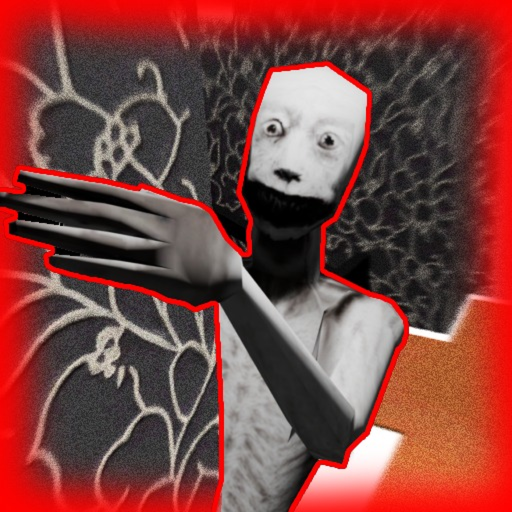
Keep the Door Locked Roblox Room Hider Solution: Cues and Limits
Keep the Door Locked roblox room hider solution keeps a useful route for players looking for Room Hider while stating that the current archive does not.
Evidence note: This topic has usable archived context, but the exact mechanic, complete list, reward, or response is not fully verified. Confirmed observations and unknown fields are kept separate below.
Keep the Door Locked roblox room hider solution keeps a useful route for players looking for Room Hider while stating that the current archive does not verify its named cues, detection method, solution, or Caught You Looking badge. It supplies an observation protocol instead of borrowing steps from a different room threat. This page is written as a player workflow: act on what the accepted archive establishes, keep every unsupported field visible, and confirm changing prompts or prices in the current server.
Start from the official Keep the Door Locked Roblox experience. It is the final authority for current interface text, availability, and live results. The archived videos used here demonstrate gameplay context, but they are not official patch notes and they do not turn an unseen step into a fact.
This archived walkthrough is useful for recognizing the room, pacing, and decision context before you compare the written checks with your own run.
Keep Room Hider separate from other room intruders
A room-based name does not make every room event identical. The known under-bed response belongs to a specific intruding creature and cannot be transferred automatically.
The accepted evidence supports these boundaries:
- The game contains room, window, bathroom, camera, and visitor threats with different responses.
- Hiding under the bed is supported for an intruding window or forest creature.
- No accepted Fact identifies Room Hider or proves that the same hiding response applies.
The important unresolved boundary is equally useful: Room Hider appearance, cue timing, location, solution, failure condition, and badge outcome are all unresolved. That limitation prevents a search phrase, a thumbnail, or a single edited clip from becoming a complete answer that the sources do not support.
Record the normal room first, then note the first visual, audio, camera, window, or bathroom change. Detection requires a baseline.
Use a deliberate sequence and record the state before the action. In a game built around ambiguous visitors and room warnings, the evidence before a choice matters as much as the result after it. A screenshot or note should include the night context, visible prompt, room condition, and whether another player changed the scene.
Capture the cue before choosing a response
Change one action per attempt. Looking, hiding, approaching the bathroom, or checking CCTV together would make the successful step impossible to isolate.
Keep one variable stable while testing. If you change the visitor choice, room state, server, platform input, and timing together, a successful or failed run cannot tell you which change mattered. Reproducible checks are slower, but they produce guidance that another player can follow.
A badge pop-up, failure screen, or continued night should be captured separately from the action that preceded it.
When two sources disagree, keep the date and prefer the current live game or a current creator-owned Roblox surface for changing values. Community footage remains useful for recognizing a sequence, but a creator's narration should not be promoted into an official guarantee.
Room Hider research table
Use this table as a compact decision aid for the Room Hider search topic. Its final column is intentionally explicit about what still needs a live check.
| Situation or entry | Supported action or observation | Boundary or live check |
|---|---|---|
| Identity | Not verified | Capture the entity or in-game label |
| First cue | Not verified | Compare against a normal room baseline |
| Response | Not verified | Test one normal in-game action at a time |
| Outcome or badge | Not verified | Capture the result separately |
A table is not evidence by itself. Each row summarizes the accepted record and keeps the missing field next to the useful action, which makes it harder to mistake an observed example for a complete rule. Recheck any row after an update changes the interface, price, entity behavior, or ending flow.
Use reproducible evidence for any proposed solution
For the Room Hider search topic, treat a reversible choice as the safe default when the clues are incomplete. Keeping the door locked, pausing before a purchase, or recording another night preserves the run and creates better evidence. An unsupported action, guaranteed reward, exact timing, or complete roster should remain unpublished until it can be reproduced.
A clean verification pass follows this order:
- Record the current room, day or night, and server context before the event.
- Capture the exact prompt, visitor appearance, item label, or ending text that matters.
- Take one ordinary in-game action without using scripts, downloads, or account-sharing tools.
- Record the immediate result separately from any later badge, reward, or branch.
- Repeat only when the result could reasonably depend on timing or another player's action.
- Keep the date beside the correction so a future update does not overwrite the old context.
This method also protects against a common Roblox guide failure: combining a current name with an old price, a different entity's counter, or a reward reported by someone who never captured the result. A smaller answer with a checkable boundary is more useful than a large list whose confident details cannot be traced.
FAQ
Where is the Room Hider?
The current accepted evidence does not establish a location or appearance.
Should I hide under the bed?
That response is verified for another intruding creature, not for the named Room Hider topic.
How can this page be corrected?
Provide a dated public clip or reproducible live-game sequence showing the cue, action, and result.